Embark on an unforgettable safari adventure with our comprehensive Safari Packing Guide, focusing on essential items, gear, packing tips, and wildlife viewing essentials. Get ready to explore the wild in style!
Essential Items for Safari Packing
When preparing for a safari trip, it is crucial to pack the right clothing and accessories to ensure a comfortable and enjoyable experience in the wild.
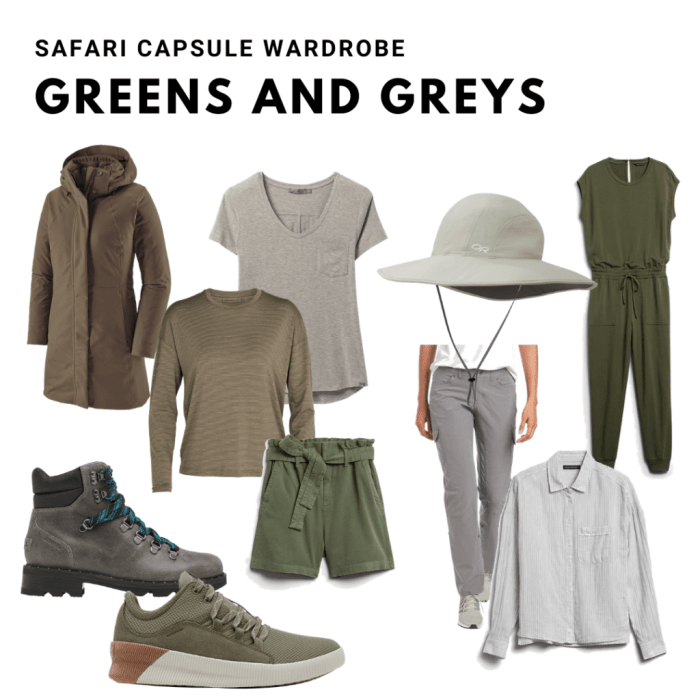
Packing lightweight, neutral-colored clothing is essential for a safari trip. Neutral colors such as khaki, beige, and olive green help you blend in with the natural surroundings and are less likely to attract insects. Additionally, lightweight fabrics like cotton and linen are breathable and will keep you cool in the hot African sun.
Must-Have Clothing Items
- Long-sleeved shirts and pants to protect against sunburn and insect bites.
- A lightweight jacket or sweater for cool mornings and evenings.
- A pair of comfortable shorts for warmer days.
- A swimsuit for any water activities or relaxing by the pool.
When it comes to footwear, packing sturdy and comfortable shoes is crucial. Opt for closed-toe shoes to protect your feet from thorns, rocks, and insects. Sneakers or hiking boots with good traction are ideal for walking safaris or nature hikes.
Accessories for Sun Protection
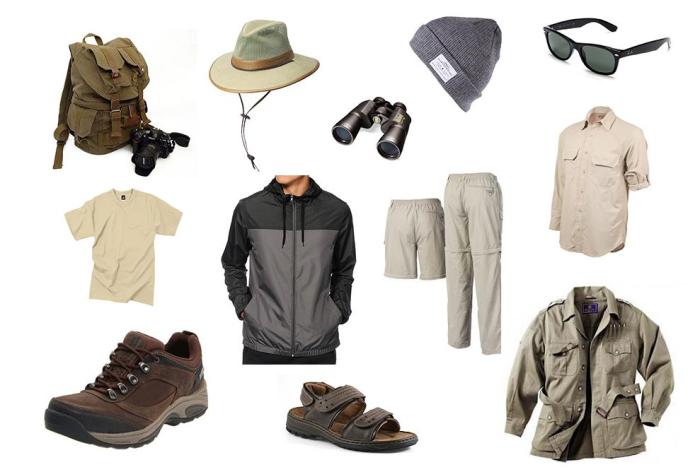
- A wide-brimmed hat to shield your face and neck from the sun.
- Sunglasses to protect your eyes from UV rays and glare.
- A high SPF sunscreen to prevent sunburn and skin damage.
- A lightweight scarf or bandana for added sun protection or dust protection.
Safari Gear and Equipment
When going on a safari, it’s essential to have the right gear and equipment to ensure a comfortable and enjoyable experience. From binoculars to insect repellent, each item plays a crucial role in enhancing your safari adventure.
Binoculars, Camera, and Flashlight
- Binoculars: A good pair of binoculars is a must-have for spotting wildlife from a distance and getting a closer look at animals in their natural habitat.
- Camera: Capture the breathtaking scenery and wildlife encounters with a high-quality camera to create lasting memories of your safari.
- Flashlight: A reliable flashlight is essential for navigating campsites or lodges during the night and spotting nocturnal animals on guided night drives.
Insect Repellent and First Aid Kit
- Insect Repellent: Protect yourself from pesky insects and potential mosquito-borne diseases by packing insect repellent with DEET for maximum effectiveness.
- First Aid Kit: Be prepared for minor injuries or emergencies by packing a well-stocked first aid kit with essentials like bandages, antiseptic wipes, and pain relievers.
Good Quality Backpack and Reusable Water Bottles
- Good Quality Backpack: A sturdy and comfortable backpack is essential for carrying your essentials during game drives, hikes, or walks in the bush. Look for a backpack with padded straps and multiple compartments for easy organization.
- Reusable Water Bottles: Stay hydrated throughout your safari adventure by carrying reusable water bottles. Opt for insulated bottles to keep your water cool during hot days in the savannah.
Packing Tips for a Safari Trip
When preparing for a safari trip, packing efficiently is essential to ensure you have everything you need while staying within luggage weight limits. Here are some tips to help you pack smart for your adventure:
Packing Layers for Varying Temperatures
When going on early morning or evening safaris, temperatures can vary significantly. It’s important to pack layers that you can easily add or remove to stay comfortable throughout the day. Consider packing lightweight long-sleeved shirts, sweaters, and a windbreaker to stay warm during chilly mornings and evenings.
Packing Quick-Dry Clothing
Weather conditions in safari destinations can be unpredictable, with sudden rain showers or muddy terrains. Packing quick-dry clothing made of moisture-wicking materials can help you stay dry and comfortable in various weather conditions. Opt for clothing that dries quickly to avoid discomfort during your safari adventures.
Packing Toiletries and Personal Care Items
When packing toiletries for a safari trip, opt for travel-sized containers to save space in your luggage. Pack essentials such as sunscreen, insect repellent, hand sanitizer, and any prescription medications you may need. Consider using a toiletry bag to keep everything organized and easily accessible during your safari.
Wildlife Viewing Essentials
Packing the right essentials for wildlife viewing can enhance your safari experience and allow you to capture unforgettable moments in the wild.
Packing Binoculars for Wildlife Spotting
- Invest in a good pair of binoculars with a suitable magnification level for spotting wildlife from a distance.
- Choose compact and lightweight binoculars to easily carry them during game drives or nature walks.
- Ensure your binoculars are waterproof and fog-proof to withstand different weather conditions.
Packing a Camera for Capturing Wildlife Moments
- Pack a high-quality camera with extra batteries and memory cards to avoid missing out on capturing special wildlife encounters.
- Consider bringing a telephoto lens for close-up shots of animals in their natural habitat.
- Protect your camera gear with a durable carrying case to prevent damage during travel.
Packing a Field Guide or Wildlife Identification Book
- Include a field guide or wildlife identification book in your packing list to help you identify different species of animals and birds during your safari.
- Opt for a compact and easy-to-use guide that provides detailed information on the wildlife you may encounter.
- Use the field guide to learn more about the behavior, habitat, and characteristics of the animals you spot on your safari.
Packing a Journal or Notebook for Safari Experiences
- Bring along a journal or notebook to record your safari experiences, observations, and memorable moments during the trip.
- Write down details about the wildlife you encounter, the locations you visit, and any interesting facts or stories shared by guides.
- Documenting your safari journey in a journal allows you to look back on your adventures and relive the excitement of being in the wild.
Safari Packing for Different Safari Destinations
When preparing for a safari adventure, it’s crucial to consider the specific packing needs based on the destination you will be exploring. Different regions like Africa, Asia, or South America may have varying climates, landscapes, and wildlife, requiring unique gear and clothing choices. Additionally, the type of safari experience, whether in national parks, reserves, or private game reserves, will also influence your packing list.
Packing Considerations for Different Regions
- Africa: For safaris in Africa, especially in countries like Kenya or Tanzania, where wildlife viewing is abundant, lightweight and breathable clothing is essential. Don’t forget to pack neutral-colored clothing for blending in with the surroundings. In addition, a wide-brimmed hat, sunscreen, and insect repellent are must-haves.
- Asia: Safaris in countries like India or Sri Lanka may require clothing suitable for humid and hot conditions. Lightweight, moisture-wicking fabrics are ideal to stay comfortable during game drives or jungle treks. A good pair of binoculars is also recommended for spotting wildlife from a distance.
- South America: In destinations like the Amazon Rainforest or the Pantanal in Brazil, waterproof clothing and sturdy hiking boots are indispensable. Pack quick-drying clothes, as sudden rain showers are common in these regions. A headlamp or flashlight can also be useful for night safaris.
Packing Tips for Different Types of Safaris
- Walking Safaris: If you’re embarking on a walking safari, comfortable closed-toe shoes, lightweight layers, and a small backpack to carry essentials like water and snacks are essential. Opt for earth-toned colors to blend in with the environment.
- Jeep Safaris: For jeep safaris, comfortable clothing that allows for easy movement is key. Consider packing a lightweight jacket for early morning or evening game drives when temperatures can drop. A camera with a good zoom lens is crucial for capturing wildlife moments.
- Hot Air Balloon Safaris: When going on a hot air balloon safari, dress in layers as temperatures can vary at different altitudes. Don’t forget your camera or smartphone to capture breathtaking aerial views of the savannah below.
Packing for Specific Seasons
- Dry Season: During the dry season, especially in regions like the Serengeti in Africa or the Ranthambore National Park in India, pack lightweight and breathable clothing to stay cool. A wide-brimmed hat, sunglasses, and a reusable water bottle are essential to stay hydrated under the scorching sun.
- Wet Season: In areas like the Okavango Delta in Botswana or the Amazon Rainforest during the wet season, waterproof gear such as rain jackets, ponchos, and waterproof hiking boots are crucial. Quick-drying clothes and insect repellent are also necessary to ward off mosquitoes.
Closing Notes
Pack smart, travel light, and immerse yourself in the beauty of nature with our Safari Packing Guide. Make the most of your safari experience with these valuable tips and essentials. Happy exploring!
Common Queries
What clothing items are essential for a safari trip?
Must-have clothing includes lightweight, neutral-colored items for versatility and comfort.
Why is it important to pack sturdy footwear for a safari?
Sturdy footwear ensures comfort and safety during game drives and walks in the wild.
How can one efficiently pack for a safari trip within luggage weight limits?
Opt for versatile clothing, roll items to save space, and prioritize essentials over non-essentials.